
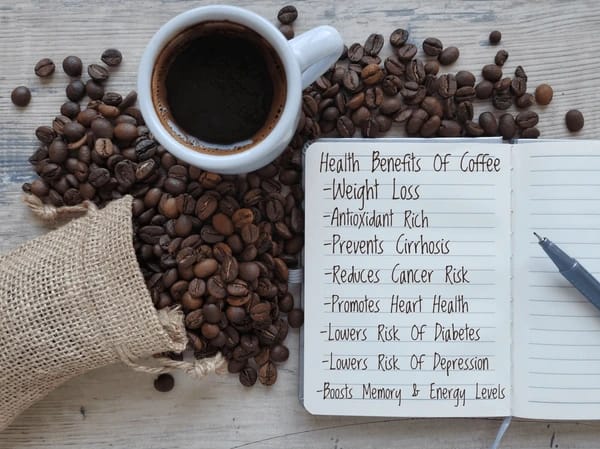
The humble cup of black coffee. For millions, it’s not just a beverage—it’s the necessary starting pistol for the day, a midday mind-sharpener, and a comforting companion during late-night work. Stripped bare of sugar, cream, and flavorings, black coffee stands alone, offering a pure, unadulterated experience. But its benefits extend far beyond the initial caffeine kick.
When you drink black coffee, you are consuming a complex brew packed with bioactive compounds that positively influence your physical health, cognitive function, and even mood. This deep dive will explore the robust, science-backed reasons why this simple, dark liquid deserves its status as one of the world’s most powerful and beneficial drinks.
🚀 I. The Cognitive and Performance Powerhouse
The most well-known benefit of coffee is its ability to wake us up. But the effect of caffeine, the most famous compound in coffee, is far more sophisticated than just combating drowsiness.
A. Enhanced Alertness and Reduced Fatigue
The primary mechanism involves adenosine, a neurotransmitter that builds up in the brain throughout the day, telling us we are tired. Caffeine is a central nervous system stimulant that acts as an adenosine receptor antagonist, meaning it blocks adenosine from binding to its receptors.
- The Result: The usual signal for fatigue is muted. This doesn’t create new energy, but it temporarily prevents the body from recognizing its need for rest, leading to a profound sense of alertness and reduced perception of effort during challenging tasks.
B. Sharpened Focus, Reaction Time, and Memory
By blocking adenosine, caffeine inadvertently facilitates the release of other crucial neurotransmitters, including dopamine and norepinephrine.
- Dopamine: Often linked to reward, motivation, and concentration. Its increase helps sustain focus on complex tasks.
- Norepinephrine (Noradrenaline): A stress hormone that increases heart rate, blood pressure, and alertness. It contributes to faster reaction times and a state of readiness.
Studies consistently show that moderate coffee consumption (around 75-150 mg of caffeine) significantly improves scores on reaction time tests and boosts working memory, making it an invaluable tool for students, programmers, and anyone needing sustained mental output.
C. A Potential Shield Against Neurodegenerative Diseases
Beyond immediate cognitive boosts, coffee consumption has been correlated with a lower risk of developing diseases like Alzheimer’s and Parkinson’s.
- Alzheimer’s Disease: While the mechanism is still being studied, the antioxidant and anti-inflammatory properties of coffee, combined with caffeine’s effect on brain metabolism, are believed to protect neurons from damage caused by oxidative stress over time.
- Parkinson’s Disease: Research suggests caffeine can help control the movements of people with Parkinson’s and that regular intake may be protective. The protection seems particularly strong against the development of the disease in men.
💪 II. Physical Health, Metabolism, and Performance
Black coffee is zero-calorie (when consumed without additives) and can be a powerful ally in fitness and metabolic health.
A. The Ultimate Pre-Workout Supplement
Caffeine is one of the few legal and widely available performance-enhancing substances. Its effects on physical performance are twofold:
- Increased Adrenaline: Caffeine spikes adrenaline levels, preparing the body for intense physical exertion (“fight or flight”). This maximizes power output and muscular contraction.
- Fat Mobilization: Caffeine signals the breakdown of fat cells (lipolysis), releasing fatty acids into the bloodstream. This means the body can use fat as fuel, sparing limited glycogen (stored carbohydrate) reserves. This is critical for endurance athletes, allowing them to train or compete for longer.
A cup of black coffee 30-60 minutes before a workout is one of the most effective, all-natural ways to boost strength, endurance, and overall exercise capacity.
B. Metabolic Boost and Weight Management
Black coffee, being essentially water and coffee bean extract, contains negligible calories, making it a powerful weight-management tool.
- Thermogenesis: Coffee stimulates thermogenesis—the production of heat in the body. This slightly raises the Basal Metabolic Rate (BMR), meaning your body burns more calories even at rest.
- Appetite Suppression: For some individuals, coffee can act as a mild appetite suppressant, helping to control caloric intake throughout the day.
The combination of a metabolic boost and calorie control makes black coffee a crucial part of many successful weight loss and maintenance regimens.
C. Protection Against Type 2 Diabetes
Numerous large-scale prospective studies have consistently found an inverse relationship between coffee consumption and the risk of developing Type 2 Diabetes (T2D).
- Mechanism: It is believed that the complex profile of antioxidants, particularly chlorogenic acids, improves insulin sensitivity and reduces oxidative stress and inflammation, key contributors to the development of T2D. The benefit is seen even with decaffeinated coffee, suggesting the protection comes from the non-caffeine compounds.
✨ III. Disease Prevention and Antioxidant Power
Coffee beans are not just flavorful; they are one of the richest sources of antioxidants in the modern diet. This is the bedrock of coffee’s long-term health benefits.
A. The Antioxidant Powerhouse: Chlorogenic Acids
Coffee is loaded with various antioxidants, most notably Chlorogenic Acids (CGAs) and melanoidins.
- Fighting Free Radicals: These compounds neutralize harmful molecules known as free radicals in the body. Free radicals are byproducts of metabolism and environmental stressors that cause oxidative damage to cells, DNA, and proteins. This damage is a primary driver of aging and chronic disease.
- Inflammation Reduction: By mopping up free radicals, coffee’s antioxidants help reduce systemic inflammation throughout the body, providing a protective effect against a wide range of chronic diseases.
In fact, for many people following a typical Western diet, coffee is the single largest source of antioxidants.
B. Liver Health Guardian
The liver is a vital organ, and coffee appears to be uniquely beneficial in its protection.
- Lower Risk of Cirrhosis and Cancer: Research indicates that habitual coffee consumption significantly lowers the risk of developing cirrhosis (scarring of the liver) and Hepatocellular Carcinoma (HCC), a common type of liver cancer.
- Protective Effect: This protective effect is particularly pronounced in individuals at higher risk due to conditions like non-alcoholic fatty liver disease (NAFLD) or chronic hepatitis C. The anti-inflammatory action of the compounds seems to mitigate the liver-damaging effects of these conditions.
C. Reduced Risk of Certain Cancers
The high antioxidant load is linked to a protective effect against several forms of cancer, with the strongest evidence pointing toward:
- Colorectal Cancer: Regular coffee consumption is associated with a reduced risk of colorectal cancer, a benefit that increases with the number of cups consumed daily.
- Endometrial Cancer: Similar protective effects have been noted against endometrial (uterine lining) cancer in women.
The protective mechanism is thought to involve CGAs inhibiting cancer cell growth and reducing the body’s exposure to carcinogens.
😊 IV. Mood, Mental Health, and Longevity
The benefits of black coffee also touch upon the emotional and psychological aspects of human health.
A. Fighting the Blues: Reduced Risk of Depression
Studies conducted by institutions like the Harvard School of Public Health have linked regular coffee drinking to a lower risk of developing depression.
- Mechanism: The stimulating effect of caffeine on neurotransmitters like dopamine and serotonin—which are crucial for mood regulation—is a primary factor. Coffee acts as a mild, safe mood elevator, helping to stabilize emotional balance.
B. The Longevity Factor
When looking at overall health and lifespan, studies consistently show that coffee drinkers tend to live longer.
- All-Cause Mortality: Several massive meta-analyses, synthesizing data from millions of individuals, have found that coffee consumption is linked to a lower risk of all-cause mortality (dying from any cause).
- A Holistic Benefit: This isn’t due to a single miracle cure but is the culmination of all the benefits listed above: reduced risk of heart disease, T2D, certain cancers, and neurodegenerative conditions all contribute to a longer, healthier life.
💡 V. Maximizing the Black Coffee Advantage
To reap the full, pure benefit of this magnificent beverage, how you consume it matters.
- Keep it Black: The zero-calorie nature of black coffee is its superpower. Adding large amounts of sugar, flavored syrups, or cream drastically increases the calorie count and negates many of the metabolic and weight-management advantages. Sugar in particular can lead to blood sugar spikes and crashes, counteracting the sustained energy coffee provides.
- Timing is Key: Drinking coffee immediately upon waking can be sub-optimal. The stress hormone cortisol is naturally high in the first hour of waking. Many experts suggest waiting until mid-morning (9:30 AM – 11:30 AM) when cortisol levels naturally drop, allowing the caffeine to provide a genuine, sustained lift rather than compounding an already alert state.
- Know Your Limit: While benefits are clear, excessive intake (generally defined as over 400 mg of caffeine or 4-5 cups of standard-brewed coffee) can lead to side effects like anxiety, jitters, insomnia, and palpitations. Moderation is essential for maximizing the benefits without the drawbacks.
🌿 Conclusion: The Simple Purity of Power
Black coffee is far more than a simple stimulant. It is a complex biochemical cocktail, a powerhouse of antioxidants, a proven cognitive enhancer, and a silent guardian against several chronic diseases.
By stripping away the additions and embracing the pure, unadulterated form of this ancient brew, you are not just fueling your day—you are making a powerful, research-backed investment in your long-term health and well-being.
So, the next time you pour a cup of black coffee, take a moment to appreciate the centuries of history and the incredible scientific benefits contained within that simple, dark elixir. It truly is one of the world’s most accessible and profound health tonics.

☕ 7 Frequently Asked Questions (FAQ) about Black Coffee
1. How many calories are in a cup of black coffee?
- Answer: Black coffee, brewed with water and coffee grounds alone, contains a negligible amount of calories—typically 2 to 5 calories per 8-ounce cup. This makes it an ideal, zero-calorie beverage for most diets. The calorie count only increases if milk, sugar, syrups, or cream are added.
2. Is black coffee good for weight loss?
- Answer: Yes, black coffee can be highly beneficial for weight loss. It is virtually calorie-free and contains caffeine, which acts as a mild appetite suppressant and boosts your metabolic rate (thermogenesis) by 3-11%. It also helps mobilize fatty acids from fat tissues, making them available to burn as fuel, especially before exercise.
3. What is the best time of day to drink black coffee?
- Answer: Experts often suggest waiting until mid-morning (around 9:30 AM to 11:30 AM). When you first wake up, your body naturally produces the stress hormone cortisol, which already makes you alert. Drinking coffee when cortisol is high can reduce caffeine’s effect and potentially increase tolerance. Drinking it too late in the afternoon (after 2:00 PM) can interfere with sleep.
4. How much caffeine is typically in a standard cup of black coffee?
- Answer: An average 8-ounce (240 ml) cup of standard brewed black coffee contains approximately 95 mg of caffeine. This can vary significantly based on the type of bean (Robusta has more than Arabica), the roast level (lighter roasts often have more caffeine), and the brewing method (drip and pour-over methods are common; cold brew can be much higher).
5. Does black coffee cause dehydration?
- Answer: No. While caffeine is a mild diuretic (it increases the need to urinate), the vast amount of water used to brew the coffee is more than enough to offset the diuretic effect. Studies show that moderate coffee consumption does not lead to dehydration; it contributes to your daily fluid intake.
6. Is it true that black coffee has strong antioxidants?
- Answer: Absolutely. Black coffee is one of the richest sources of antioxidants in the Western diet. Key compounds include chlorogenic acids and melanoidins, which help neutralize free radicals, reduce inflammation, and are linked to protection against diseases like Type 2 Diabetes and certain cancers.
7. What is the maximum number of cups of black coffee considered safe daily?
- Answer: For most healthy adults, consumption of up to 400 mg of caffeine per day is considered safe. This generally equates to about 4 standard 8-ounce cups of brewed black coffee. Consuming significantly more than this may lead to negative side effects like anxiety, jitters, insomnia, and heart palpitations.
| No. | Benefit | Description | Impact Level (1–10) |
|---|---|---|---|
| 1 | Boosts Energy | Improves alertness and reduces fatigue | 9 |
| 2 | Supports Weight Loss | Increases metabolism and burns fat | 8 |
| 3 | Improves Brain Function | Enhances focus, memory, and concentration | 9 |
| 4 | Rich in Antioxidants | Protects cells from damage and inflammation | 8 |
| 5 | Improves Heart Health | Helps reduce risk of heart disease | 7 |
| 6 | Supports Liver Health | Lowers risk of fatty liver and liver disease | 8 |
| 7 | Helps Control Diabetes | Improves insulin sensitivity | 7 |
| 8 | Enhances Physical Performance | Increases stamina and workout performance | 9 |
Black Coffee Recipe (Healthy & Easy)
Ingredients:
- 1 cup hot water
- 1–2 teaspoons ground coffee or instant coffee
- honey

One thought on “☕ The Elixir of Life: Unpacking the Comprehensive, Science-Backed Benefits of Black Coffee”